
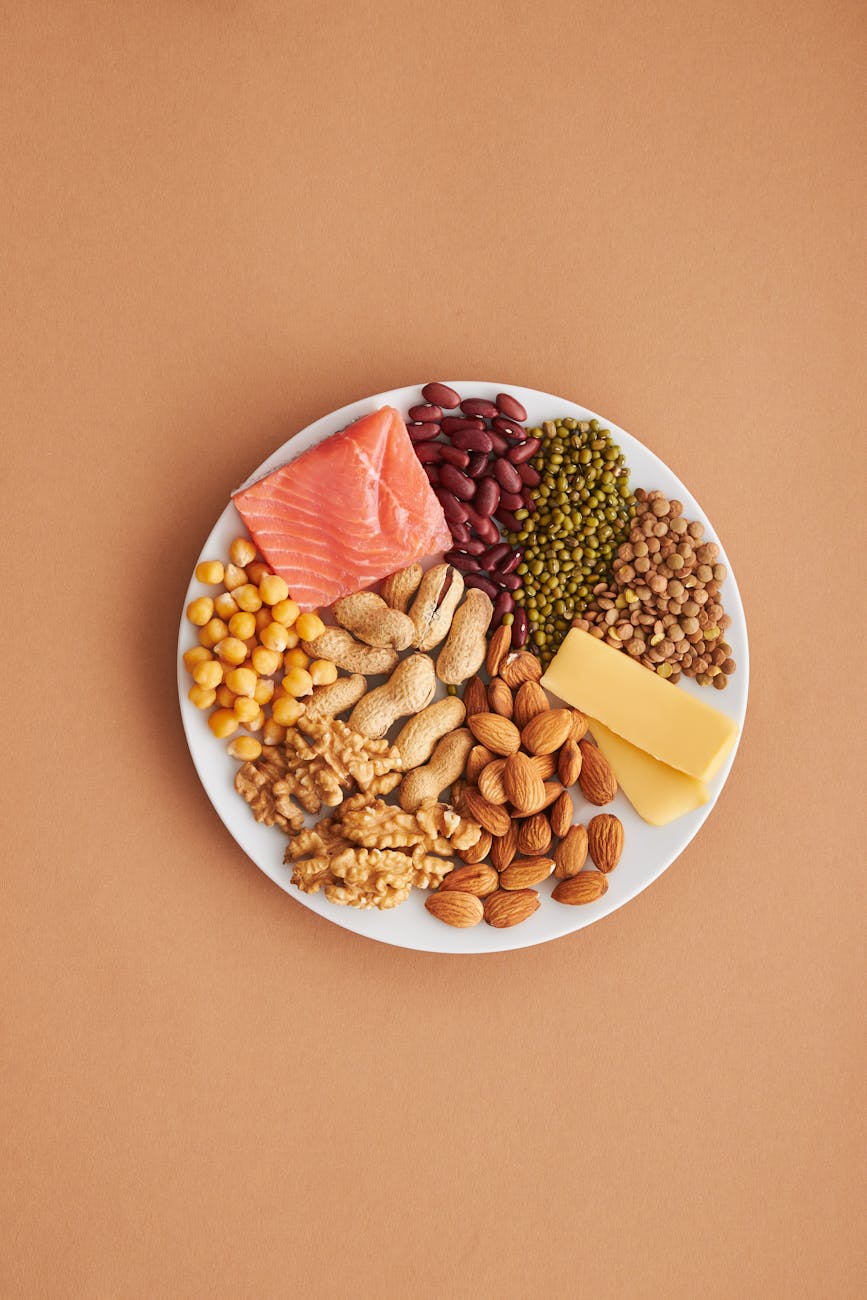

If you were like me, I was not raised prioritizing protein intake. My diet was always heavier on carbs and protein was almost an ornament. However, when it comes to managing your energy, blood sugar, cravings as well as weight, protein plays a big role.
After coaching over 200 people, one common fact is that many people are still unsure about how much protein they actually need.
Maybe you’ve heard the phrase, “Eat more protein,” but what does that really mean for you? Is there a magic number? Should you be eating grilled chicken with every meal? Let’s break it down.
Why Protein Matters More Than You Think

Protein is more than just a gym-goer’s obsession—it’s essential for:
- Muscle repair and maintenance
- Hormone production
- Immune support
- Hair, skin, and connective tissue health
- Blood sugar stability and reduced cravings
If you’ve ever struggled with energy dips, constant hunger, or slow progress with weight loss, your daily protein (or the lack of it) might be part of the problem.
So, How Much Protein Do You Actually Need?
The Recommended Dietary Allowance (RDA) is 0.36 grams per pound of body weight (or 0.8 grams per kilogram). However, there is a catch: this number is the minimum to prevent deficiency—not necessarily the optimal amount for energy, muscle, or metabolic health.
General Daily Protein Guidelines:
| Goal | Grams per pound | Example (150 lbs) |
|---|---|---|
| Preventing deficiency | 0.36 g/lb | 54g/day |
| General wellness | 0.5–0.6 g/lb | 75–90g/day |
| Weight loss or blood sugar balance | 0.6–0.8 g/lb | 90–120g/day |
| Active individuals or muscle building | 0.8–1.0+ g/lb | 120–150g/day |
To calculate your needs, just multiply your weight (in pounds) by your chosen protein range. For example, 180 lbs x 0.7 = 126g per day.
However, Daily Protein Intake is Not Just About the Number
What kind of protein you eat matters too. Instead of just loading up on red meat, try mixing in these nutrient-rich protein sources:
| Food | Grams of Protein |
|---|---|
| 3 oz. grilled chicken/turkey | 19–21g |
| 1 cup Greek yogurt | 17–20g |
| ½ cup cottage cheese | 14g |
| ½ cup cooked beans or lentils | 7–9g |
| 1 egg | 6g |
| ¼ cup nuts or seeds | 5–7g |
| 1 cup milk or soy milk | 8g |
Remember to always pair proteins with fiber and healthy fats to support digestion and steady blood sugar levels (and yes, this works for weight loss too).
A Sample High-Protein Day (Balanced & Blood Sugar-Friendly)

If you’re aiming for 120–130 grams of protein/day, here’s what that might look like:
- Breakfast: 2 boiled eggs + Greek yogurt + chia seeds → ~30g
- Lunch: Chicken breast + quinoa + roasted veggies → ~35g
- Snack: Jerky + string cheese + almonds → ~25g
- Dinner: Salmon + sweet potatoes + broccoli → ~40g
Total: ~130g protein
Trying to Lose Weight?

Higher-protein diets can help with appetite control, satiety, and preserving muscle mass during weight loss. Aim for 1.2 to 2.0 grams per kg (0.5–0.9 g/lb) of body weight—especially if you’re active or over 40. But remember: protein is not a magic bullet. It works best alongside:
- A moderate calorie deficit
- Balanced carbs and healthy fats
- Regular movement and strength training
When You Eat Protein Matters, Too
Instead of saving all your protein for dinner, aim to spread it across meals and snacks. Research suggests this leads to better energy, muscle maintenance, and satisfaction throughout the day.
Bottom Line: Think Protein Package
It’s not just how much protein you eat—but where it’s coming from and how it fits into your day. A few tips to make it simple:
- Use the 5-4-3-2-1 Grocery Method (5 produce items – 3 vegetables and 2 fruits, 4 proteins, 3 smart carbs, 2 fats, 1 fun item)
- Aim for 30 grams of protein per meal
- Choose lean meats, seafood, beans, dairy, eggs, and nuts
- Pair protein with fiber-rich foods and healthy fats
- Don’t stress about perfection—consistency is what counts
Want help planning your meals around protein without giving up the foods you love?
Grab my free guide Dinner, Solved or book a Clarity Call here and I’ll help you figure out how to meet your goals while keeping things flexible, satisfying, and blood sugar-friendly.
Leave a Reply